
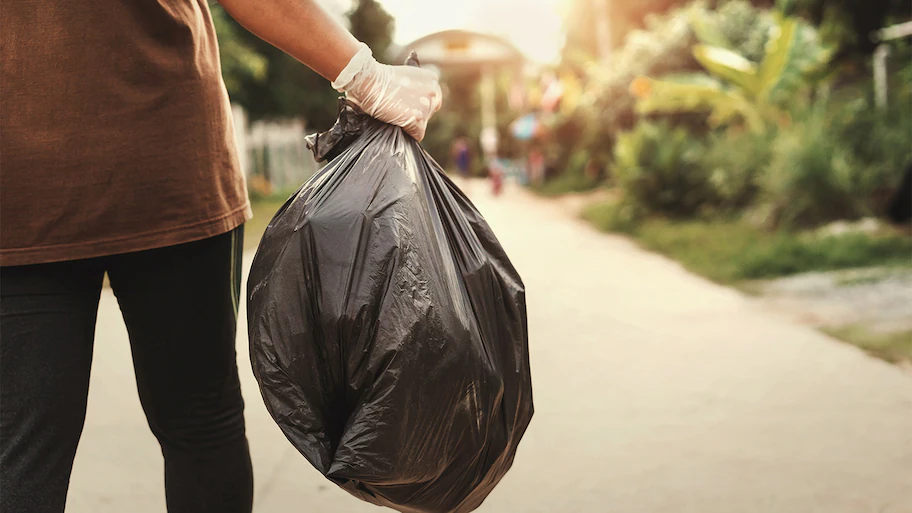
A proper junk collection service does more than show up with a truck. It handles logistics, heavy lifting, transport, and disposal. So the only thing the property owner needs to do is point to what needs to go. That sounds simple. And genuinely, it usually is. But behind that simplicity is a complex system of sorting and disposal.
Modern waste systems are far more sophisticated than they were a decade ago. Items don’t just disappear. They get routed to specific facilities based on type, condition, and local regulations.
Where Donated Items Actually End Up
Local charities, thrift stores, and nonprofit organizations receive donated items. Items in good condition help people who need them. It’s better than landfills. Better environmentally. Better socially. Most people don’t think about this. They just assume items disappear. Actually, donations go to meaningful places.
What Qualifies as Recyclable
Metals, certain plastics, electronics, wood, cardboard, glass. Modern recycling systems are sophisticated. Materials get separated by type at facilities. Each type goes to appropriate processors. A single piece of furniture might get broken into wood for chipping and metal for smelting. That happens at facilities with proper equipment.
The junk removal cost near santa clarita relates to disposal methods. Actually, it doesn’t directly. Pricing is based on volume. How items are disposed doesn’t change the customer’s cost. That’s the service’s logistics problem, not yours. The quote you get includes all disposal methods. You don’t pay extra based on how items are actually processed.
Processing Different Categories
| Category | Typical Items | Destination | Processing |
| Donation | Furniture, clothes, working appliances | Charities, thrift stores | Sorting, quality check |
| Recycling | Metals, electronics, wood | Recycling facilities | Material separation, reprocessing |
| Hazardous | Batteries, paint, chemicals | Specialized facilities | Proper handling and disposal |
| Disposal | Damaged items, unusable materials | Licensed facilities | Landfill as last resort |
This process tries to minimize landfill usage. Modern systems divert 70-80% of collected items away from disposal. That’s meaningful environmental impact.
What Happens With Large Appliances
Working appliances go to refurbishment. They get cleaned, tested, resold. Broken ones go to recycling facilities for material recovery. Refrigerators specifically need special handling for refrigerant removal. Most services understand this. They route appliances correctly.
Are Electronics Really Recyclable
Yes, and increasingly they must be. Electronics contain valuable metals and materials. They also contain components that shouldn’t go to landfills. Modern recycling recovers materials and prevents environmental contamination. Electronics recycling is tightly regulated and profitable.
Transparency About Disposal Methods
Good services explain the process. Ask where items go. A reliable service explains openly. Unreliable ones avoid the question or give vague answers. Transparency is a sign of quality.
Questions About Waste System Disposal
Q: What percentage of collected items actually get donated?
A: Usually 30-40% depending on condition. Most items go to recycling or disposal.
Q: Are donation items really used by people?
A: Yes. Charities verify items work before distribution. That’s why they’re selective.
Q: Is environmental consideration part of pricing?
A: Not usually. Environmental considerations are built into responsible service operations. They’re not a line-item cost.
Q: Do modern systems actually prevent landfill overflow?
A: Significantly. Decades ago, nearly everything went to landfills. Now proper sorting diverts most items.
Q: How can I verify disposal practices?
A: Ask specifically. Good services have documentation and partnerships they can show.
Understanding waste systems helps appreciate what professional services do.