
Most homeowners don’t give their hot water system a second thought until it stops working, usually on a cold morning or right before guests arrive. Understanding the options ahead of time, along with the warning signs that separate a simple repair from a full replacement, makes the whole process a lot less stressful when the time comes.
Types of Hot Water Systems Used in Perth Homes
There are a handful of system types commonly installed across Perth, and each suits different households:
- Gas storage: Heats and holds a tank of water, reheating as needed. A solid option for households with an existing gas connection.
- Gas continuous flow (instantaneous): Heats water on demand rather than storing it, which suits homes with limited space or higher hot water usage.
- Electric storage: Heats and stores water using an electric element. Common where gas isn’t connected, though generally less efficient to run.
- Heat pump: Uses ambient air to heat water, offering lower running costs over time, though the upfront cost is higher.
- Solar: Uses roof-mounted panels to heat water, usually paired with a gas or electric booster for cloudy days.
The right choice depends on household size, hot water demand, budget, and what’s already connected to the property. For reliable hot water system installation and repairs in Perth, a proper assessment of these factors upfront avoids ending up with a system that’s the wrong size or type for the household.
Signs Your Current System Needs Repair (Not Replacement)
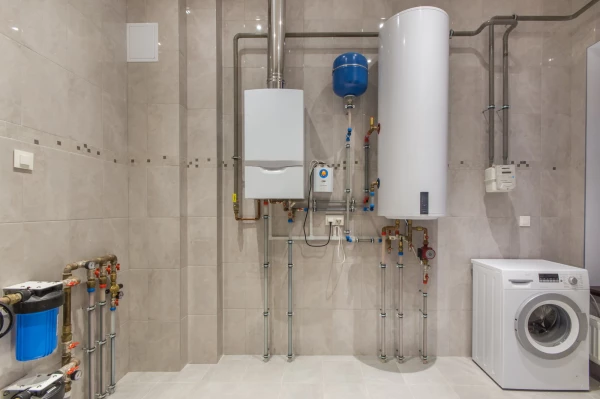
Not every issue means the whole unit needs replacing. A few common problems are usually repairable if caught early:
- Inconsistent water temperature, running hot then cold
- Reduced hot water volume compared to what the household is used to
- Unusual rumbling, banging, or popping noises from the tank
- Minor leaks around fittings, valves, or connections
If the tank itself is in good condition and the system is still within its expected lifespan, these issues are often resolved with a service, part replacement, or valve repair rather than a full system swap.
Signs It’s Time for a Full Replacement
Some situations point more clearly toward replacement rather than repair:
- Tank age approaching or past 8 to 12 years, depending on the system type
- Visible rust, corrosion, or discolouration on the tank itself
- Needing repeat repairs within a short stretch of time
- Rising energy bills that track back to a system working harder than it should
Once a tank starts corroding externally, repair generally isn’t a lasting fix, since the tank itself is nearing the end of its structural life.
What a Professional Installation Involves
A proper installation is more involved than swapping one unit for another. It typically includes:
- Assessing the household’s actual hot water demand based on occupants and usage patterns
- Ensuring the installation meets current plumbing and gas compliance standards
- Correctly sizing the unit, since undersized systems are one of the most common complaints from homeowners who ran hot water quotes on price alone
- Confirming positioning and ventilation requirements, which matter particularly for gas units
Skipping any of these steps tends to show up later as inconsistent hot water, higher running costs, or a system that struggles under normal household demand.
Choosing Between Installation and Repair
As a general guide, a system under 6 to 8 years old with a single, isolated fault is usually worth repairing. A system approaching or past its expected lifespan, showing multiple issues, or requiring repeat callouts is generally better replaced. This is also a good point to consider upgrading system types entirely, such as moving from an old electric storage unit to a heat pump, rather than automatically replacing like-for-like.
Final Thoughts
Hot water problems rarely announce themselves clearly as “repair” or “replace.” Tank age, visible condition, and how often problems have come up are the best indicators of which direction makes sense. If your system is acting up or getting on in years, it’s worth getting a professional assessment before committing to either option, so the decision is based on the actual condition of the unit rather than guesswork.