
For a lot of builders, the decision to go with an imported engine starts the same way: a domestic block that’s tired, expensive to rebuild, or simply not capable of the performance numbers being chased. Rather than sinking money into machining and parts for a rebuild, more owners are turning to imported options that offer factory performance without the custom build price tag.
Before committing to that route, though, it’s worth understanding what you’re actually buying and why it differs from what’s available domestically.
What Makes JDM Engines Different From Domestic Options
The term itself refers to vehicles and components built specifically for Japan’s home market, which historically produced different specifications than what was sold internationally. Some JDM engines carry the same designation as their export counterparts but with meaningfully different internals, turbo setups, or compression ratios. Others, especially certain high performance trims, never officially made it to the U.S. market at all, which is part of what makes them appealing to builders chasing something more unique than a typical rebuild.
There’s also the standards difference to account for. Japan generally follows JIS (Japanese Industrial Standards) rather than SAE, which can affect small things like bolt sizing or fluid specifications, details that matter once you’re deep into an install and reaching for the wrong tool.
Popular JDM Engine Families Worth Knowing
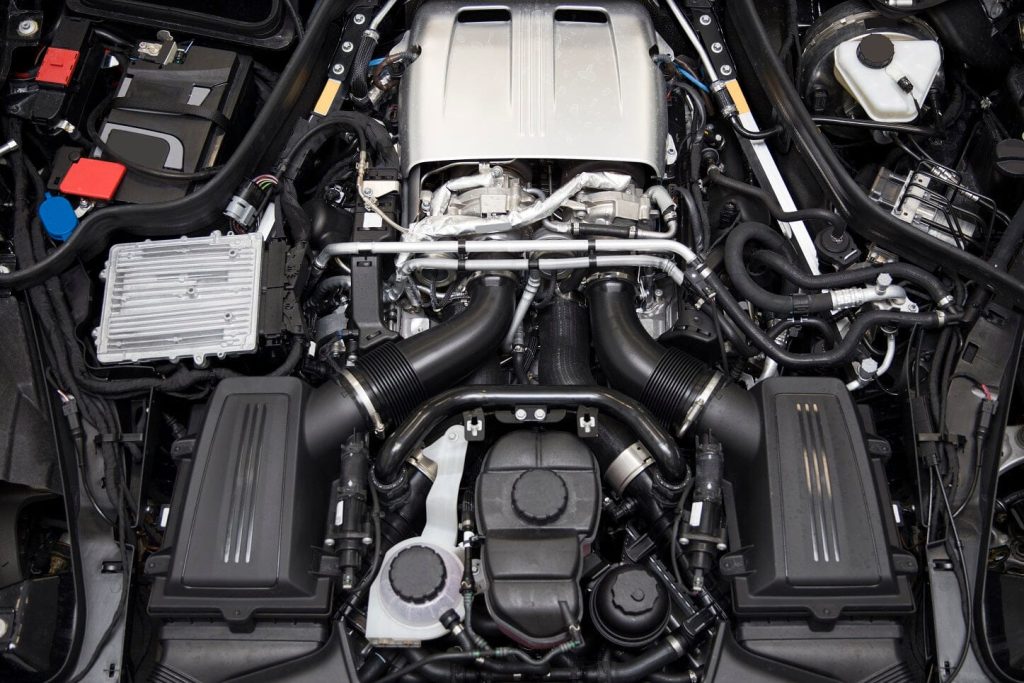
A handful of engine families come up again and again in swap conversations, each with its own reputation:
- SR20 series: a favorite in the drift and tuner scene, known for being relatively easy to work on and responsive to modification.
- RB20/RB26: the straight six family associated with Skyline builds, prized for strong factory internals that hold up well under boost.
- 2JZ: widely regarded as one of the most over built factory engines ever produced, capable of handling significant power increases with minimal internal work.
- K-series: a more modern option known for reliability and a wide aftermarket support base.
- EJ series: common in all-wheel-drive platforms, valued for balance between performance and everyday drivability.
None of these are objectively “the best” choice. The right family depends entirely on the chassis, the intended use, and the builder’s budget.
Compatibility Considerations Before You Buy
Enthusiasm for a particular engine family can lead buyers to overlook compatibility questions that matter more than the engine’s reputation. A few worth working through before purchasing:
- Chassis fitment. Not every engine family drops cleanly into every chassis; mounting points, transmission tunnel clearance, and driveline setup all factor in.
- Wiring harness and ECU. Imported engines often come with their own harness and ECU, which may or may not play well with the donor vehicle’s existing electronics depending on the swap.
- Emissions and registration rules. Requirements vary significantly by state, and some jurisdictions have specific restrictions on engine swaps that don’t match the vehicle’s original emissions equipment.
Skipping this research before purchasing is one of the more common (and expensive) mistakes builders make.
Common Misconceptions About JDM Engines
A few assumptions tend to follow buyers into their first purchase, and most are worth reconsidering:
- “All JDM engines are low mileage.” Mileage varies a lot depending on the source vehicle and how it was used domestically in Japan; documentation should always be checked rather than assumed.
- “Any swap is basically a bolt-in.” Even engines from the same family can require different mounts, sensors, or wiring depending on the exact trim and production year.
- “Rarity always means better performance.” Some rare trims are prized more for collectability than for any meaningful performance advantage over a more common variant.
Going in with realistic expectations makes the whole process smoother, and it usually saves money in the long run.
Doing the Homework Before You Commit
Between compatibility questions, sourcing considerations, and separating myth from reality, there’s more to a JDM engine swap than picking a well-known name and buying whatever’s available. Taking the time to understand your specific chassis and engine pairing before spending money tends to be the difference between a smooth build and an expensive learning experience.