

Construction operations depend on structured systems that support coordination across activities. Many teams explore industry leaders best construction erp softwares when complexity increases gradually. Traditional methods struggle to manage workflows with consistent visibility across departments. Better systems offer control, which improves planning, tracking, and reporting accuracy. Understanding adoption factors helps organizations move toward stable operational performance.
Organizational readiness shapes adoption success outcomes.
Prepared teams adjust faster when new systems replace older tracking methods. Clear planning ensures a smoother transition with minimal disruption across operations.
Cost considerations influence system selection decisions
Budget planning plays a critical role before choosing suitable solutions. Long-term value matters more than initial setup investment across organizations.
Integration capability with existing operational processes
Systems must align with current workflows without creating unnecessary disruptions.
- Seamless integration ensures continuity across ongoing project tasks efficiently
- Data flow remains consistent across departments without manual adjustments required
- Existing tools connect smoothly, reducing transition challenges for teams
- Unified processes improve coordination between departments working on shared goals
- Compatibility reduces errors during the migration of historical project information
User training and system usability impact adoption
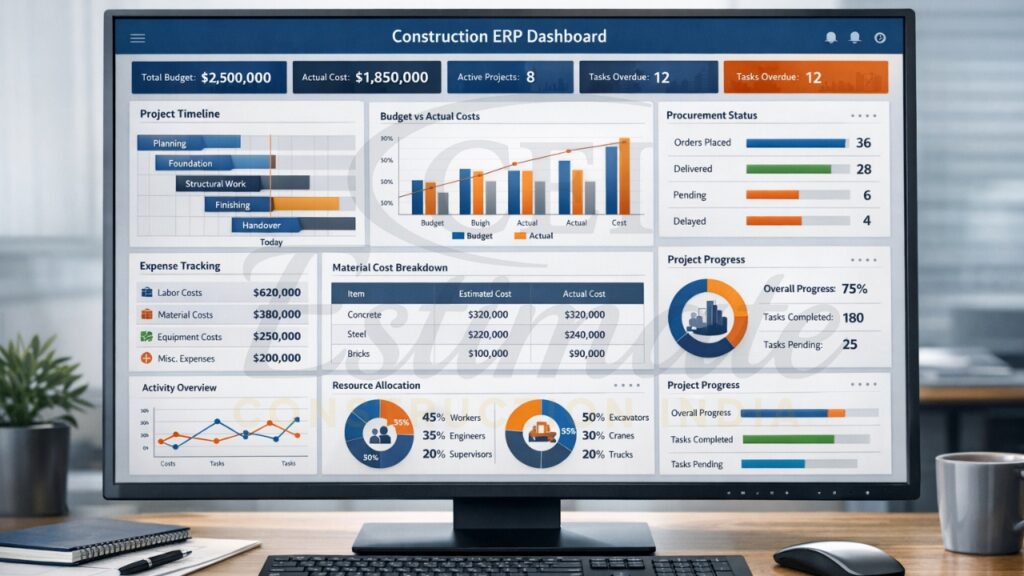
Ease of use determines how quickly teams adapt to new systems.
- Simple interfaces help teams understand processes without extensive training sessions
- Clear navigation reduces confusion during daily operational task management activities
- Training programs improve confidence across teams using new systems effectively
- Reduced complexity ensures faster adoption across departments with varied skill levels
- User-friendly design supports consistent usage without frequent support requirements
Data visibility and reporting efficiency improvements
Better insights help organizations make informed decisions quickly and accurately.
- Central dashboards provide a clear overview of project progress continuously
- Real time updates ensure accurate tracking across ongoing activities consistently
- Automated reports reduce the manual effort required for data compilation tasks
- Visual summaries improve understanding of complex project performance indicators
- Accurate insights support better planning and risk management decisions
Security control and access management requirements
Protecting sensitive information remains essential for maintaining operational integrity.
- Role-based access ensures only authorized users modify critical data
- Secure storage protects confidential project details from unauthorized exposure
- Audit tracking maintains accountability for every change within system records
- Controlled permissions reduce the risk of accidental data modification significantly
- Data protection policies ensure compliance with organizational security standards
Scalability supports long term operational growth
Growing organizations need systems that expand without performance issues.
- Scalable systems handle increasing data without slowing performance noticeably
- Flexible structures support additional projects without restructuring existing workflows
- Expanding teams’ access to systems without affecting operational efficiency levels
- Increased workload remains manageable through automated task handling processes
- Long-term growth becomes sustainable with an adaptable system architecture
Why organizations invest in structured ERP systems
Structured solutions provide clarity, control, and consistency across operations effectively. They reduce manual effort while improving coordination between departments significantly. They enable better planning through centralized data and real-time updates.
Common queries explained simply.
- Is ERP adoption costly for small organizations? Initial cost exists, but long-term efficiency benefits outweigh expenses.
- Does ERP reduce manual workload across operations? Yes, automation reduces repetitive tasks and improves overall efficiency.
- Can ERP systems support complex project management needs? Yes, structured workflows handle complexity better than traditional methods.
Practical steps for successful ERP adoption
Careful planning ensures a smooth transition without affecting ongoing operations significantly.
- Assess current workflow gaps before selecting appropriate ERP solutions
- Train teams gradually to improve system usage and reduce resistance
- Monitor performance metrics to evaluate improvements after implementation
- Ensure data accuracy during migration to avoid future inconsistencies
- Continuously refine processes based on system performance observations
Stable system outcomes
A clear understanding ensures better decisions that improve operational consistency steadily. industry leaders best construction erp softwares become valuable during scaling phases. Structured systems bring clarity, reliability, and measurable improvements across workflows consistently. Strong execution supports sustainable growth through disciplined processes and proper system usage. Reliable outcomes depend on consistency rather than chasing perfection repeatedly.