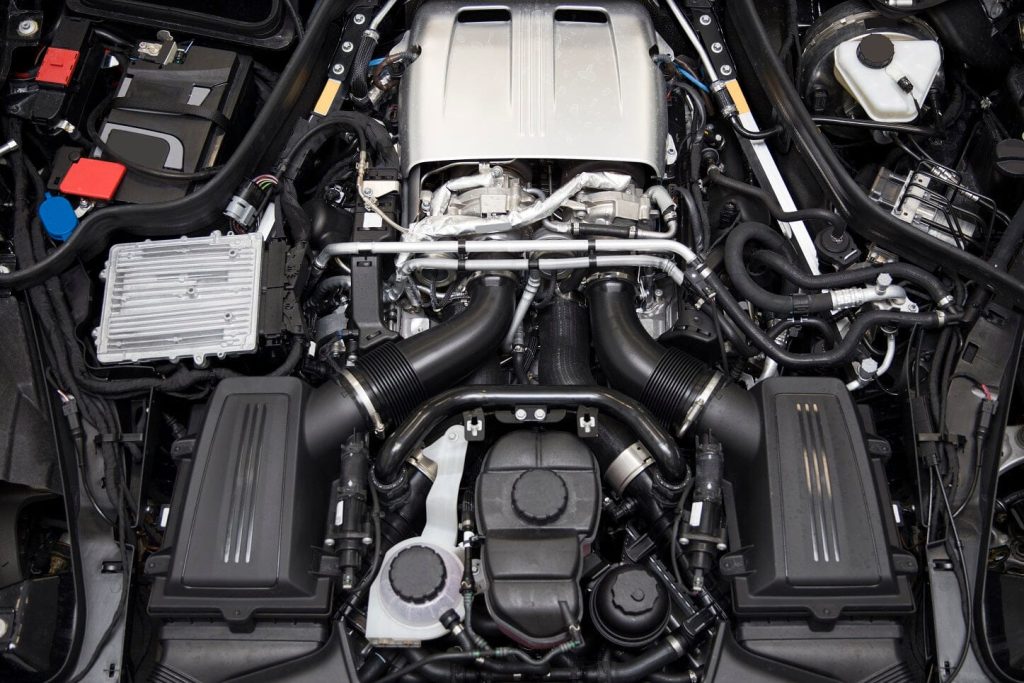
Quality Driven Processes for Accurate and Efficient Production

Manufacturing work starts long before a machine begins cutting metal. Inside busy production facilities, teams review drawings, inspect materials, and discuss small details that can affect the final result. A single measurement mistake can change an entire schedule, which is why careful preparation remains part of daily operations. A cnc machine shop houston environment usually brings together skilled operators, modern equipment, and practical decision-making where every component receives close attention before leaving the floor.

Skilled Workers Still Shape Modern Production

Advanced machines handle complicated designs, but human experience remains visible throughout manufacturing operations. Operators notice sounds, surface changes, and small adjustments that numbers alone may not explain.

A machinist might spend extra time checking a setup before running a full production batch. Another worker may compare previous measurements with current results to confirm consistency.

Precision Begins with Better Planning Methods

Production challenges usually appear before the first cut is made. Material choices, project timelines, and design requirements need attention from the beginning.

A complex order may involve several discussions between engineers and machine operators. Questions about thickness, finishing, and component use are handled before production moves forward.

Careful planning commonly covers:

  • Understanding customer specifications and technical requirements
  • Preparing accurate digital files for machining operations
  • Organizing production schedules around project demands
  • Reviewing possible issues before manufacturing starts
  • Maintaining clear records throughout the workflow

The planning stage often determines how smoothly the remaining work continues.
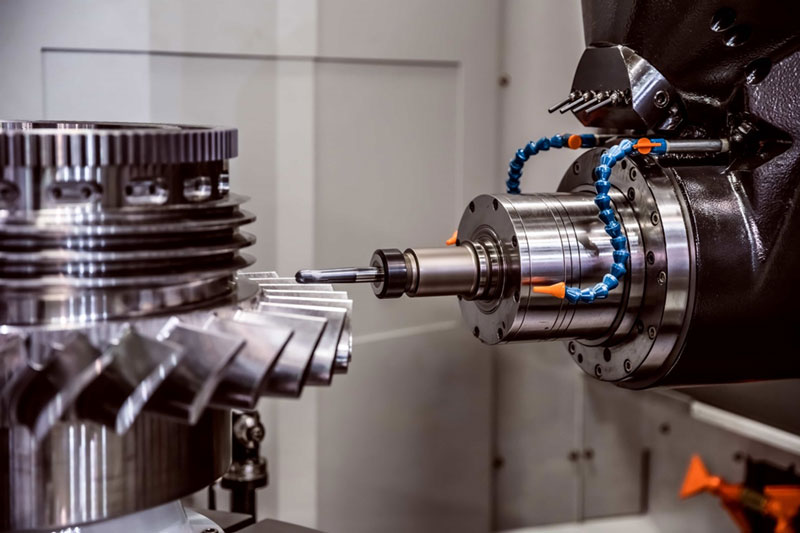
cnc machine shop houston

Custom Manufacturing Requires Flexible Thinking

No two projects arrive with exactly the same requirements. Some components need unique measurements, while others require special finishing methods before completion.

A team working with a cnc machine shop dallas setup may handle custom molds, industrial parts, equipment repairs, and detailed production requests. The process involves adjusting methods based on each project rather than following one fixed routine.

Common Questions About Production Quality

  1. What affects accuracy during machining projects?

Accuracy depends on machine settings, material selection, operator experience, design details, and regular inspection throughout production.

  1. Can manufacturing facilities handle custom projects?

Yes, skilled teams regularly work with specialized designs requiring unique measurements, materials, and production methods.

  1. Why are inspections performed during manufacturing?

Inspections identify possible issues during production and keep finished components aligned with project specifications.

A manufacturing floor is filled with small moments that shape final results. The careful adjustment of equipment, the repeated checking of measurements, and the conversations between team members all become part of creating dependable components. As production demands continue growing, quality remains connected to the people who pay attention to every detail along the way.


Planning a Move? Here’s How to Choose a Team You Can Rely On

Anyone can look legitimate on a website. A clean homepage, a few good reviews, a phone number that gets answered. But being a licensed, insurable business is different from actually being a reliable team on the day your entire household is riding on a truck. If you’ve already done the background checks and narrowed your list, the next question is harder to answer from a website alone: will this crew actually show up prepared, on time, and ready to handle your move without turning it into a headache?

Here’s what separates a genuinely reliable moving team from one that just looks good on paper.

Communication Starts Before Moving Day

A reliable crew doesn’t go quiet between the moment you book and the moment they show up. You should get a confirmed arrival window a day or two ahead, a clear walkthrough of how the day will unfold, and quick answers when you have questions about parking, elevators, or anything unusual about your move.

This is one of the clearest early signals of quality. A moving company serving Southern Maryland that knows the area well tends to communicate proactively about things like narrow driveways in older neighborhoods or building access rules in newer developments, because they’ve dealt with those specifics before. If a company goes silent after booking or you have to chase them down for basic scheduling details, that’s a preview of how moving day itself is likely to go.

A Trained, Consistent Crew

Ask directly who will be showing up on moving day. Some companies staff every job with trained employees who work together regularly and know the company’s standards. Others lean on day labor or loosely managed subcontractors who may have never worked together before, and who have far less accountability if something goes wrong.

There’s nothing wrong with asking this question outright. A company confident in its crew will answer clearly. One that hesitates, or gives you a vague “we’ll have people there” response, hasn’t earned the same level of trust.

Proper Equipment and Packing Materials

Moving Company

You can often tell how a move is going to go within the first ten minutes. Does the crew arrive with furniture pads, dollies, shrink wrap, and correctly sized boxes, or are they improvising with whatever they brought and hoping it’s enough? Under equipped crews move slower, handle items more roughly, and are far more likely to cause damage simply because they don’t have the right tools for the job.

If you’re getting an in home estimate, it’s reasonable to ask what equipment the crew typically brings for a move of your size. A team that answers with specifics has clearly done this before.

Realistic Timelines, Not Rushed Promises

Some companies win bookings by giving unrealistically short time estimates, only for the job to run long once they’re actually on site. A reliable team gives you an honest window based on the size of your home, the distance to the truck, stairs, and anything else that affects how long the job will realistically take.

This matters for your budget as much as your schedule. Hourly rates that balloon because the original estimate was never realistic to begin with are a common source of moving day frustration, and it’s usually avoidable if the initial timeline was honest.

How They Handle the Unexpected

Every move runs into something unplanned: a couch that doesn’t fit through a doorway, a sudden rainstorm, a building that turns out to have stricter elevator rules than expected. What matters is how the crew responds. A well run team adapts calmly, communicates the change, and keeps working. A poorly managed one gets flustered, starts rushing, or begins cutting corners to make up for lost time, which is often when items get damaged or forgotten.

You can sometimes get a read on this during the estimate process itself. Ask how they’ve handled a difficult move in the past. A team with real experience usually has a specific story, not a generic answer.

The Bottom Line

Licensing and reviews tell you a company is legitimate. Communication, crew consistency, equipment, honest timelines, and how they handle surprises tell you whether they’re actually reliable. Pay attention to these details while you’re still comparing options, and you’ll have a much better sense of who’s going to show up ready to do the job right.

Maintaining SEO Backlinks Effectively for Better Website Credibility and Ranking Stability

Many websites grow steadily because they care about quality rather than shortcuts. Strong backlinks help search engines understand that valuable pages deserve better attention. Maintaining SEO Backlinks Effectively for Better Website Credibility and Ranking Stability explains why regular link care matters for lasting growth. Every trusted reference adds value when it comes from relevant content with genuine purpose. Careful monitoring prevents weak links from reducing overall website trust. The following points explain practical methods that support steady visibility through simple daily efforts.

Build Trust through Relevant Connections

Relevant links always create stronger value than random references from unrelated sources. Trusted websites naturally improve confidence when they connect with useful information. Consistent reviews help remove outdated links before they affect website quality. Small improvements completed regularly often produce stronger long term stability.

Review Existing Links Regularly

Checking current links helps identify problems before they become larger concerns. Simple reviews also improve overall website reliability through careful maintenance.

  • Check broken links every month to maintain smooth website performance consistently.
  • Replace outdated references with fresh resources offering meaningful information naturally.
  • Remove harmful links before they reduce overall website credibility significantly.
  • Confirm linking pages remain active with relevant, quality-focused content.
  • Watch referral traffic patterns for useful performance improvement opportunities regularly.
  • Update anchor text naturally without forcing repeated keyword placement unnecessarily.
  • Record maintenance progress using simple reports for future comparison purposes.
  • Encourage quality mentions through valuable articles instead of quick shortcuts.

backlinks buy

Create Content worth Referencing Naturally

Useful articles attract attention because readers appreciate clear answers and practical guidance. Fresh information encourages other websites to mention valuable resources without unnecessary effort. Balanced publishing schedules help maintain consistent visibility over longer periods. Every well-researched page supports stronger authority through genuine connections with relevant audiences.

Why Should Link Quality Always Matter Most?

Search engines value meaningful relationships between websites because they reflect useful information for readers. High quality references remain more valuable than large collections of weak connections that provide little purpose.

Careful planning creates better outcomes over time because every trusted mention supports stronger credibility. Many businesses improve results by choosing affordable link building methods that focus on relevance instead of quantity while protecting long-term website performance.

Monitor Performance with Simple Reports

Tracking link growth reveals helpful patterns that guide future content decisions carefully. Clear reports also highlight successful pages deserving additional improvement opportunities. Regular analysis supports steady progress without unnecessary complexity.

Encourage Consistent Website Authority Growth

Website authority develops through patience rather than quick solutions promising instant success. Reliable content encourages trustworthy mentions that continue providing value across many updates. Honest publishing habits strengthen relationships with readers while supporting better search visibility. Long-lasting improvement comes from consistent action supported by thoughtful maintenance practices.

Strong Results through Steady Efforts

Reliable growth depends on careful attention instead of rushed decisions or temporary methods. Every quality update supports stronger recognition through useful information shared with the right audience. Maintaining SEO Backlinks Effectively for Better Website Credibility and Ranking Stability reminds website owners that consistent maintenance protects long term success. Stable authority grows when valuable content receives genuine recognition from trusted sources. Simple habits practiced regularly create lasting credibility that continues supporting better search performance over time.

The Complete Guide to Understanding JDM Engines Before Your Next Swap

For a lot of builders, the decision to go with an imported engine starts the same way: a domestic block that’s tired, expensive to rebuild, or simply not capable of the performance numbers being chased. Rather than sinking money into machining and parts for a rebuild, more owners are turning to imported options that offer factory performance without the custom build price tag.

Before committing to that route, though, it’s worth understanding what you’re actually buying and why it differs from what’s available domestically.

What Makes JDM Engines Different From Domestic Options

The term itself refers to vehicles and components built specifically for Japan’s home market, which historically produced different specifications than what was sold internationally. Some JDM engines carry the same designation as their export counterparts but with meaningfully different internals, turbo setups, or compression ratios. Others, especially certain high performance trims, never officially made it to the U.S. market at all, which is part of what makes them appealing to builders chasing something more unique than a typical rebuild.

There’s also the standards difference to account for. Japan generally follows JIS (Japanese Industrial Standards) rather than SAE, which can affect small things like bolt sizing or fluid specifications, details that matter once you’re deep into an install and reaching for the wrong tool.

Popular JDM Engine Families Worth Knowing

Engine Swaps

A handful of engine families come up again and again in swap conversations, each with its own reputation:

  • SR20 series: a favorite in the drift and tuner scene, known for being relatively easy to work on and responsive to modification.
  • RB20/RB26: the straight six family associated with Skyline builds, prized for strong factory internals that hold up well under boost.
  • 2JZ: widely regarded as one of the most over built factory engines ever produced, capable of handling significant power increases with minimal internal work.
  • K-series: a more modern option known for reliability and a wide aftermarket support base.
  • EJ series: common in all-wheel-drive platforms, valued for balance between performance and everyday drivability.

None of these are objectively “the best” choice. The right family depends entirely on the chassis, the intended use, and the builder’s budget.

Compatibility Considerations Before You Buy

Enthusiasm for a particular engine family can lead buyers to overlook compatibility questions that matter more than the engine’s reputation. A few worth working through before purchasing:

  1. Chassis fitment. Not every engine family drops cleanly into every chassis; mounting points, transmission tunnel clearance, and driveline setup all factor in.
  2. Wiring harness and ECU. Imported engines often come with their own harness and ECU, which may or may not play well with the donor vehicle’s existing electronics depending on the swap.
  3. Emissions and registration rules. Requirements vary significantly by state, and some jurisdictions have specific restrictions on engine swaps that don’t match the vehicle’s original emissions equipment.

Skipping this research before purchasing is one of the more common (and expensive) mistakes builders make.

Common Misconceptions About JDM Engines

A few assumptions tend to follow buyers into their first purchase, and most are worth reconsidering:

  • “All JDM engines are low mileage.” Mileage varies a lot depending on the source vehicle and how it was used domestically in Japan; documentation should always be checked rather than assumed.
  • “Any swap is basically a bolt-in.” Even engines from the same family can require different mounts, sensors, or wiring depending on the exact trim and production year.
  • “Rarity always means better performance.” Some rare trims are prized more for collectability than for any meaningful performance advantage over a more common variant.

Going in with realistic expectations makes the whole process smoother, and it usually saves money in the long run.

Doing the Homework Before You Commit

Between compatibility questions, sourcing considerations, and separating myth from reality, there’s more to a JDM engine swap than picking a well-known name and buying whatever’s available. Taking the time to understand your specific chassis and engine pairing before spending money tends to be the difference between a smooth build and an expensive learning experience.

Why Verified Supply Controls Strengthen Long-Term Digital Asset Credibility

Fresh blockchain projects appear every day, yet attention rarely stays for long without visible proof behind every decision. A clear record of ownership, supply settings, and transaction history usually attracts steadier conversations than loud announcements alone. During one planning discussion, create your meme token appeared naturally while comparing different preparation methods, leaving the focus on careful planning instead of quick promotion. Quiet confidence usually stands out more than constant excitement when digital assets enter public view.

Small Checks Before Release

A careful launch begins with ordinary tasks instead of dramatic moments. Supply numbers receive another review. Permission settings are checked once again. Wallet signatures match planned actions before anything moves forward. Working teams usually notice tiny details during slower reviews rather than rushed sessions.

Solana Development

Records Speak Quietly

Every completed blockchain action leaves a permanent trail. Community members usually notice consistency before impressive graphics or catchy names. Visible records gradually become familiar, while uncertain information fades from conversations without much attention.

Clear documentation creates a steady rhythm throughout every stage of preparation. Short updates with matching records usually receive stronger reactions than repeated promises.

Steady Work Behind Projects

Launching digital assets rarely depends on one action. Supply confirmation, liquidity preparation, authority adjustments, and written documentation all move together. Each completed task supports the next one naturally.

Preparation Stage Main Focus Visible Outcome
Supply Confirmation Fixed token amount Stable project records
Authority Review Permission accuracy Clear ownership details
Liquidity Setup Trading readiness Open market access
Certificate Review Verified actions Public trust signals
Transaction Check Signed approvals Transparent blockchain history

Public Confidence Develops Naturally

Communities usually notice patterns rather than isolated updates. Consistent information gradually becomes familiar because every visible action matches earlier announcements. Quiet progress feels more convincing than repeated excitement.

Reliable communication keeps expectations balanced throughout preparation. Short updates, accurate records, and visible blockchain activity usually travel further than complicated promotional messages.

Every Signature Matters

Digital asset management involves several connected actions before public release. Creating supply, adjusting permissions, preparing liquidity, and recording approvals all require attention. Signed transactions remain available for future review without relying on memory.

Later discussions naturally included create your meme token while comparing transparent approval records, visible ownership details, and carefully documented blockchain activity. Attention stayed centered on accountability instead of unnecessary claims.

Built Through Everyday Decisions

Long-term credibility usually grows through repeated actions rather than dramatic launches. Every verified setting, signed transaction, and public record quietly adds another layer of confidence. Community conversations gradually become easier because accurate information remains available whenever questions appear.

Projects supported by consistent documentation rarely depend on bold statements alone. Small details continue speaking for themselves while new activity unfolds across the blockchain, leaving a stronger impression without demanding extra attention.

Copyright ©2026 . All Rights Reserved | Catching Up With Kate